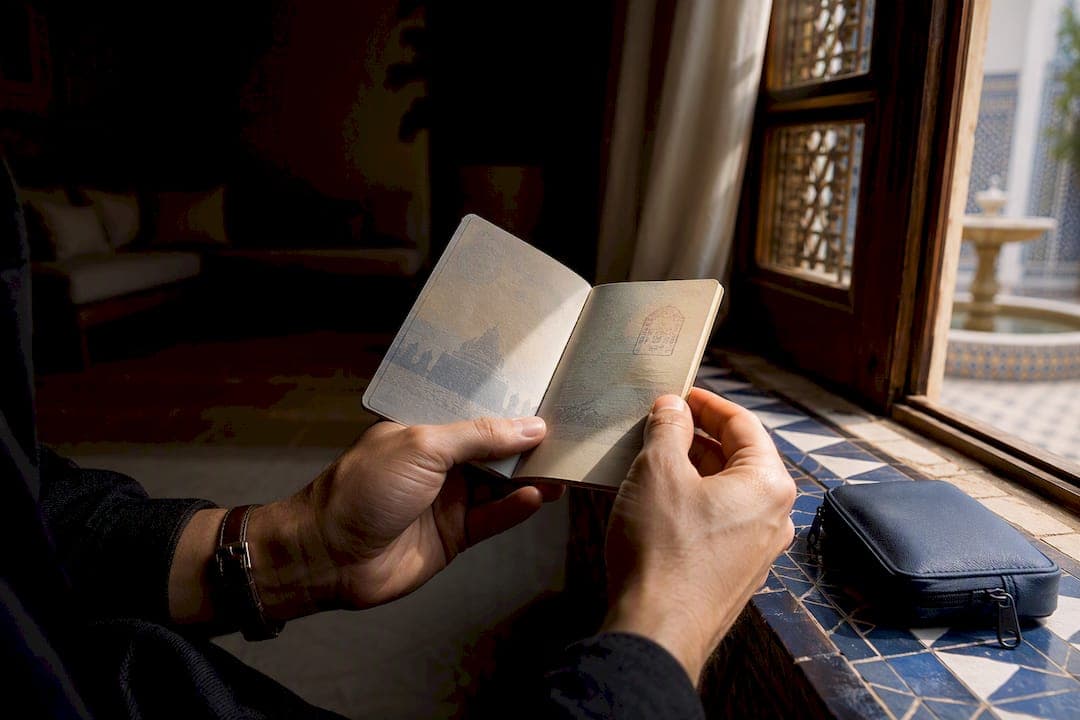
U.S. citizens do not need a visa for tourist stays in Morocco of up to 90 days, according to the Morocco Travel Advisory from the U.S. Department of State. You do need a passport valid for at least six months beyond your entry date, with one blank page free for the entry stamp. For anything beyond a short visit, or if you run into trouble abroad, the U.S. Embassy and Consulate in Morocco is your point of contact.
TL;DR:
- U.S. travelers can stay in Morocco for up to 90 days visa-free, but their passport must be valid for six months beyond entry and have one blank page.
- Overstaying the 90-day limit necessitates a court appearance and may involve fines, so travelers should contact authorities immediately if they approach this limit.
- It is essential to carry copies of your passport and prescriptions, and to enroll in STEP before departure for quick embassy contact in emergencies.
- Travelers planning activities beyond tourism or those staying longer than 90 days need to apply for the appropriate visa beforehand through the Moroccan consular platform.
- Replacing a lost passport in Morocco requires a police report proving citizenship, followed by scheduling an appointment at the U.S. Consulate in Casablanca for an emergency passport.
Table of Contents
- Quick facts and checklist for US travelers to Morocco
- Passport rules, entry stamps, and how the 90 days work
- When you're visa exempt and when you actually need one
- What happens if you overstay the 90-day limit
- Health, vaccines, and safety advice for your trip
- Replacing a lost or stolen US passport in Morocco
- Prepare before you travel: a practical checklist
- How to get help from US consular services in Morocco
- How PassportCenter.ai helps you prepare for Morocco travel
- What matters most and what gets overstated
- Sources
- FAQ
Quick facts and checklist for US travelers to Morocco
Before you pack, here's what actually matters for entry into Morocco.
- You can stay up to 90 days without applying for a Moroccan visa, no paperwork required in advance.
- Your passport needs at least six months of validity remaining and one blank page for the entry stamp.
- Carry photocopies of your passport and important documents, plus a digital backup stored somewhere other than your phone.
- Enroll in the Smart Traveler Enrollment Program (STEP) before you leave so the U.S. Embassy can reach you in an emergency.
- Bring prescriptions in their original packaging with a note from your prescriber.
- Buy travel insurance that covers medical evacuation, not just trip cancellation.
- Save the U.S. Embassy and Consulate in Morocco contact information somewhere you can find it offline.
None of this takes more than an hour to organize, and it removes most of the guesswork that trips people up at the airport.
Passport rules, entry stamps, and how the 90 days work
The six-month validity rule exists because Moroccan border officials want assurance you won't become stranded without a usable travel document during your visit or shortly after. Airlines also check this before boarding, since they get fined for carrying passengers who get turned away at the border. Check your expiration date well in advance, not just before your flight, since a passport renewal can take weeks depending on demand.
The blank page requirement is separate from validity. Moroccan immigration needs a clean page to stamp on entry, and a passport packed with visa stickers or old stamps can leave you without one. If you travel often, check your passport before this trip. If you're down to your last blank page, look into adding pages or renewing early rather than hoping the agent squeezes in a small stamp.
The 90-day allowance is counted from your date of entry, and it applies per visit rather than as an annual allowance you can spread across multiple trips. The Department of State's guidance does not describe a rolling or cumulative limit, so a traveler who leaves before day 90 and later returns generally starts a fresh count, though this is not something to test by cutting it close. Dual nationals and travelers with unusual passport histories should confirm their specific situation with the embassy rather than assume the standard rule covers their case.

When you're visa exempt and when you actually need one
The 90-day exemption covers tourism and short personal visits only. It does not cover work, study, long-term residence, or any activity that turns your trip into something more than a vacation. If your plans fall into one of those categories, you need to arrange the correct visa or permit before you travel, not after you land.
Morocco's consular platform, acces-maroc.ma, is the official channel Moroccan authorities use for visa eligibility checks and applications. If your situation is anything other than a straightforward tourist visit, that's where to confirm what applies to you rather than relying on forum posts or secondhand advice. The portal handles both the eligibility check for visa-exempt travelers and the formal application process for those who need a visa.
Common situations that require a visa or permit arranged in advance include:
- Taking a job or freelancing for a Moroccan employer while physically in the country.
- Enrolling in a university program or long-term language course.
- Establishing residence, whether for retirement, family reunification, or another long-term purpose.
If you're unsure which category your trip falls into, apply the simple test: are you visiting, or are you settling in for something ongoing? A three-week vacation with side trips to Marrakech and Fes is visiting. A six-month research fellowship is not. When in doubt, check with the Moroccan consulate serving your area of the United States before you book anything.
What happens if you overstay the 90-day limit
Overstaying in Morocco is not a paperwork formality you can fix by paying a small fee at the airport on your way out. According to the Department of State, travelers who overstay are required to appear before a judge before they're permitted to depart, and the process can involve a fine, though official guidance doesn't specify a fixed amount.
If you realize you've overstayed, or you're getting close to day 90 with no way to leave on time, don't wait for the situation to resolve itself. Contact local immigration or police authorities to understand the correct process, and reach out to the U.S. Consulate General in Casablanca for guidance on what to expect. Bring your passport, any documentation of your entry date, and be prepared for the process to take longer than a same-day fix.
Be skeptical of anyone, official-sounding or not, who promises they can convert your tourist status into something else while you're already in the country. The Department of State's international travel guidance notes that changing visa type from inside Morocco is generally not permitted, so the safer assumption is that you'll need to leave and reapply from home if your plans change. Confirm anything you're told against the embassy or the consular portal before you act on it.
Health, vaccines, and safety advice for your trip
Health prep for Morocco is mostly routine, with a couple of specifics worth planning around. The CDC's travel health guidance for Morocco recommends being current on your routine vaccines, including MMR, and considering rabies pre-exposure vaccination if your trip involves activities that raise your risk of animal exposure or takes you somewhere with limited access to prompt medical care.
Motor vehicle crashes are one of the leading travel risks for visitors to Morocco, according to the CDC, which is worth factoring into any decision about renting a car or riding with unlicensed drivers.
A few things to lock down before departure:
- Schedule a travel health consultation a few weeks out if you're due for any routine vaccines.
- Ask your doctor about rabies pre-exposure vaccination if you'll be hiking, volunteering with animals, or spending time in rural areas.
- Buy travel insurance that specifically includes medical evacuation, since a standard trip-cancellation policy often won't cover being flown home for treatment.
- Get an International Driving Permit if you plan to drive, and confirm your rental insurance actually covers you in Morocco.
On the safety side, Morocco carries a Level 2 Travel Advisory from the State Department, meaning travelers should exercise increased caution. Enroll in STEP before you go, avoid demonstrations or large public gatherings, and keep your emergency contacts somewhere you can access them without your phone.
Replacing a lost or stolen US passport in Morocco
Losing your passport abroad is stressful, but the process for fixing it is straightforward if you know the order of operations. Start with a police report at the location where you lost the passport or where it was stolen. The U.S. Embassy and Consulate in Morocco notes that local police may ask for proof of citizenship before they'll issue the report, so having a photocopy of your passport or another form of ID on hand speeds this up considerably.

Once you have the police report, contact the U.S. Consulate General in Casablanca to schedule an appointment for an emergency passport. Bring the police report, any proof of citizenship you have (a photocopy, an old expired passport, a birth certificate), and passport photos if you have them, since not every consular office can take them on-site.
A few habits make this whole process faster if it ever happens to you:
- Keep a digital copy of your passport's photo page stored somewhere other than your phone.
- Photograph your itinerary and hotel confirmations before you travel, in case you need to reconstruct your trip details for the consulate.
- Build in a buffer day or two near the end of your trip in case a replacement passport takes longer than expected to process.
Prepare before you travel: a practical checklist
Most entry problems are preventable with an hour of prep the week before your flight. Here's the order that actually matters:
- Check your passport's expiration date and page count. You need six or more months of validity and at least one blank page.
- Photocopy your passport's photo page and visa stamps and store a digital copy separately from your phone.
- Confirm your prescriptions are legal in Morocco and carry them in original packaging with a note from your prescriber, since some common medications are restricted.
- Get an International Driving Permit if you plan to drive, and check that your rental car insurance actually applies in Morocco.
- Leave a copy of your itinerary and emergency contacts with someone in the United States who can reach you or the embassy if needed.
Pro Tip: Take a photo of your passport, driver's license, and any prescriptions before you leave home. If anything gets lost, you'll have everything a consular officer needs in one place instead of scrambling to remember details.
If you're checking a prescription's legality, the Moroccan embassy or consulate serving your state is the right place to confirm, since restricted substance lists change and aren't always intuitive.
How to get help from US consular services in Morocco
The U.S. Consulate General in Casablanca handles the services most travelers actually need: emergency passport replacement, notarial services, and referrals for repatriation assistance if you're stranded without funds or documents. If you're dealing with an emergency, lost documents, or a legal issue, that's your first call.
For routine questions, the U.S. Embassy and Consulate in Morocco website lists current hours, appointment scheduling, and any temporary service changes, which are worth checking in the two weeks before you travel rather than assuming last year's information still applies.
Enrolling in STEP before departure means the embassy can reach you directly if there's a security concern or natural event during your trip, and it gives consular staff a faster way to locate you if your family back home loses contact.
How PassportCenter.ai helps you prepare for Morocco travel
The website offers tools to check your passport's validity and blank-page status against country-specific rules like Morocco's, helping you to determine the need for renewal before booking. It also provides information on renewal timelines and offers connections to courier services for expedited processing, assisting travelers with turnaround time expectations. Beyond Morocco, PassportCenter.ai's country-specific checklists cover entry rules for Turkey, Europe, and other common destinations, built around the same official-sources-first approach used here.
What matters most and what gets overstated
Most of what circulates online about Morocco visas focuses on the wrong worry. The 90-day exemption for U.S. citizens is settled and simple, yet a surprising number of travelers spend more energy fretting over visa paperwork they don't need than checking the one thing that actually trips people up: passport validity and blank pages. Airlines and border agents enforce those two details strictly, and they're the actual reason travelers get denied boarding or turned away at customs.
The advice you should prioritize first is boring on purpose. Check your passport's expiration date and page count this week, not the night before your flight. Enroll in STEP before you leave, because it costs nothing and it's the difference between the embassy finding you quickly in an emergency or not finding you at all. Everything else, from vaccines to insurance to driving permits, matters, but it's secondary to making sure your passport itself won't be the reason your trip goes sideways.
— David
Sources
FAQ
Do I need a visa to enter Morocco with a US passport?
No, U.S. citizens do not need a visa for tourist stays in Morocco of up to 90 days, according to the Department of State. Your passport needs at least six months of remaining validity and one blank page for the entry stamp.
Is Morocco on the US visa restriction list?
Morocco is not subject to a U.S. visa ban or entry restriction for American travelers. The current guidance from the Department of State places Morocco under a Level 2 Travel Advisory, which addresses safety precautions rather than visa eligibility.
Is it safe to go to Morocco right now as a US citizen?
Morocco carries a Level 2 Travel Advisory from the Department of State, meaning travelers should exercise increased caution rather than avoid travel entirely. Enrolling in STEP and avoiding large demonstrations are the main precautions the advisory recommends.
What happens if I overstay my 90 days in Morocco?
Travelers who overstay the 90-day limit are required to appear before a judge before departing Morocco, and the process may involve a fine, according to the Department of State. Contact local immigration authorities and the U.S. Consulate General in Casablanca as soon as you realize you've overstayed rather than waiting until your departure date.
How do I replace a lost passport while in Morocco?
Get a police report at the location where your passport was lost or stolen, since the U.S. Embassy and Consulate in Morocco notes local police may require proof of citizenship first. Then schedule an appointment with the U.S. Consulate General in Casablanca to apply for an emergency passport.