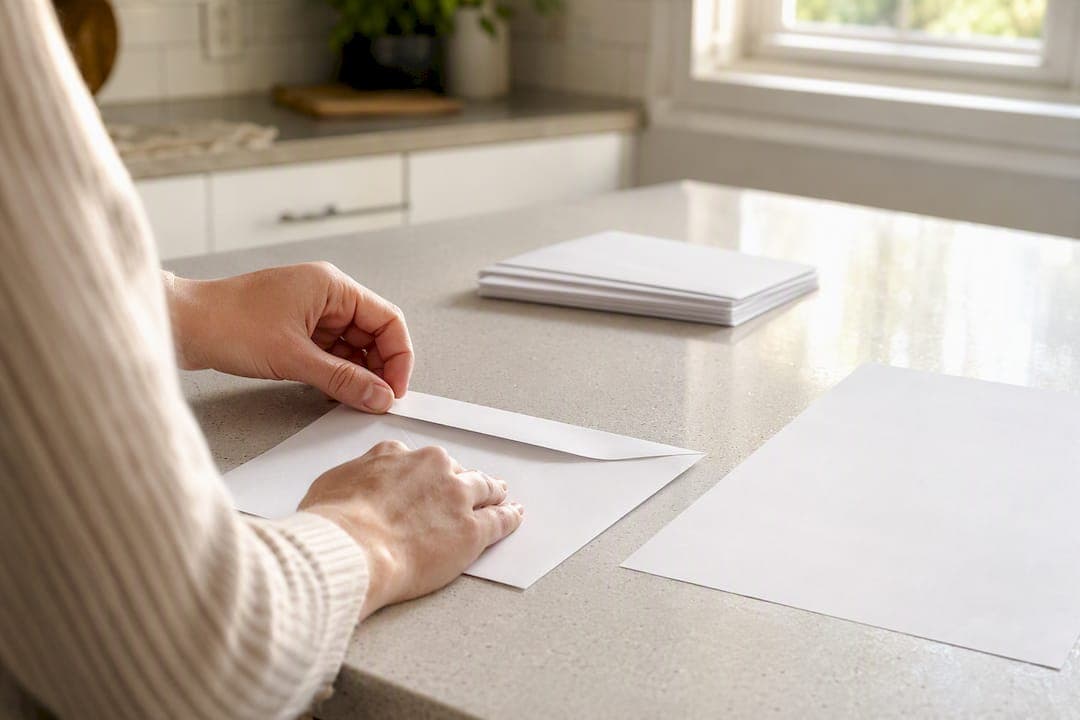
You can mail a passport renewal using Form DS-82, but if you're a first-time applicant using Form DS-11, you cannot mail your application. That form has to be submitted in person.
Here's the quick breakdown:
- DS-11 (first-time, minors, and other special cases): Apply in person at an acceptance facility. The facility mails the application for you once your identity is verified and your signature is witnessed.
- DS-82 (eligible renewals): You can mail this one yourself, using a trackable service and the correct State Department PO box for your state.
- Bottom line: If you're not sure which form applies to you, check your eligibility before you print anything. Mailing the wrong form wastes weeks.
Key Takeaways
Mailing a passport application is only allowed for eligible DS-82 renewals; first-time DS-11 applicants must apply in person, and acceptance facilities handle the mailing on their behalf.
| Point | Details |
|---|---|
| Know your form first | DS-11 requires an in-person appointment; only DS-82 renewals can be mailed by the applicant. |
| Print single-sided, sign on time | Double-sided printing and early signatures are the top causes of delay. |
| Use trackable mail | USPS Priority Mail or Priority Mail Express protects your passport and payment in transit. |
| Budget four weeks for mail | Roughly two weeks to the processing center and two weeks back, separate from processing time. |
| Mark expedited envelopes clearly | Write "EXPEDITE" on the outside if you paid for faster service. |
Table of Contents
- Which Form Do You Need: DS-11 or DS-82?
- How to Prepare a DS-82 Packet for Mailing
- What Happens When You Apply for DS-11 In Person?
- Which Mailing Service Should You Use for a Renewal?
- How Long Does Mailing Add to Your Timeline?
- What Mistakes Cause Mailed Applications to Get Delayed?
- Where to Turn for Follow-Up and Faster Options
- Ready to Move Faster on Your Passport?
- An Editorial Take on the Mailing Confusion
- Sources
Which Form Do You Need: DS-11 or DS-82?
DS-11 is the form for anyone applying for a passport for the first time, minors, and applicants whose previous passport was lost, stolen, damaged, or issued more than 15 years ago. It requires an in-person appointment because an acceptance agent has to verify your identity and witness your signature under oath.
DS-82 is the mail-in renewal form, and it only applies if you meet specific conditions. Run through this before you assume you're eligible:
- Your most recent passport is undamaged and in your possession.
- It was issued within a recent period accepted for renewal.
- It was issued when you were an adult (age rules differ slightly for passports issued as a minor).
- Your name matches the one on your current passport, or you can document a legal name change.
If any of those don't apply, you need DS-11 and an in-person appointment instead.
One rule trips people up on both forms: never sign until you're told to. On DS-11, your signature must be witnessed by the acceptance agent. On DS-82, follow the instructions printed on the form itself. Signing early can force you to start over with a fresh form.
Pro Tip: Use the State Department's official Form Filler instead of a blank PDF. It catches missing fields and produces a cleaner barcode, which matters more than people realize since a smudged or handwritten barcode can slow down data entry on the receiving end.
How to Prepare a DS-82 Packet for Mailing
A rejected renewal packet almost always comes down to the small stuff. Work through this order and you'll avoid the usual snags:
- Fill out DS-82 using Form Filler, then print it single-sided on plain white paper. Double-sided printing is one of the most common reasons packets get bounced back.
- Do not white-out, cross out, or otherwise correct any mistake. Start a new form instead.
- Sign only where and when the form instructs.
- Package your documents together before sealing the envelope.
Your packet needs:
- One 2x2 inch color photo taken within the last six months, on a plain white or off-white background.
- Your most recent passport (the original, not a copy).
- Payment by check or money order, made out as DS-82's instructions specify.
- Any supporting documents requested for your situation, such as a marriage certificate for a name change.
Address the envelope to the correct National Passport Processing Center box. Routine and expedited service use different PO boxes, and some states route to different centers than others. If you paid for expedited service, write "EXPEDITE" clearly on the outside of the envelope, not just on the form.
Finally, double check that your email address and phone number are legible on the form. State Department staff will use those to reach you if something needs fixing, which is faster than waiting on a letter.
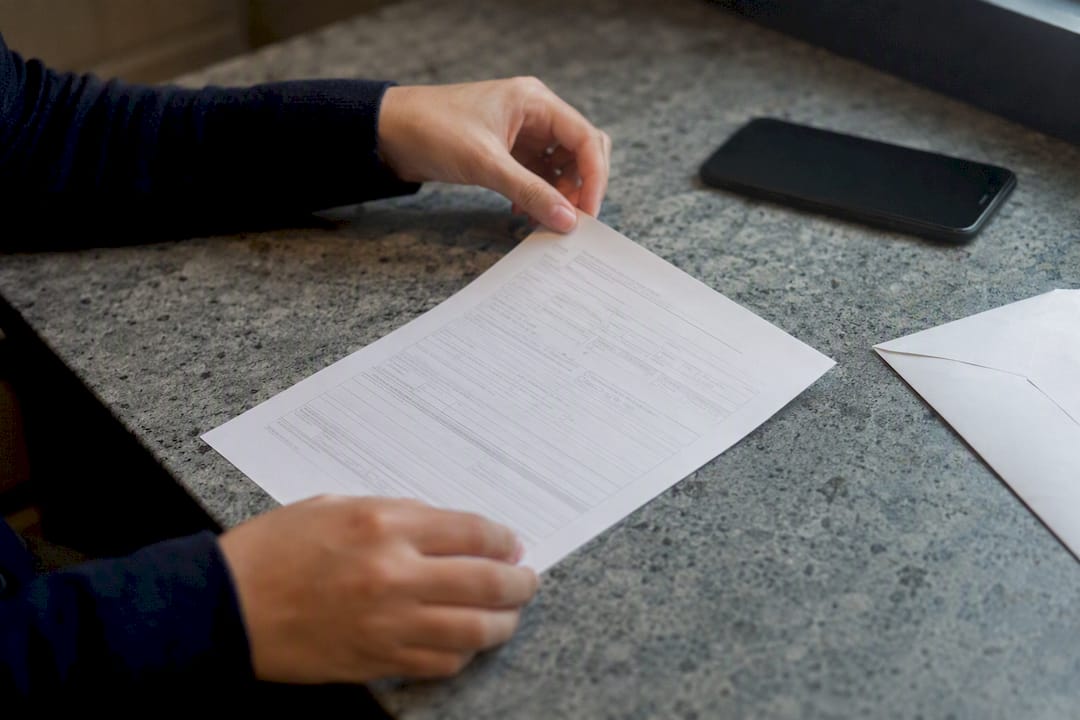
Pro Tip: Photocopy your completed packet before you seal the envelope. If anything goes missing in transit, you'll have a record of exactly what you sent.
What Happens When You Apply for DS-11 In Person?
When you show up at an acceptance facility, whether that's a post office, library, or clerk's office, the process runs differently than mailing a renewal yourself.
- The acceptance agent checks your photo ID and proof of citizenship against the originals you bring, not copies.
- You sign DS-11 only in front of the agent, who witnesses the signature and administers an oath.
- The agent collects your fees, then mails the completed application to the Department of State on your behalf, along with everyone else's applications processed that day.
Bring the actual documents, not photocopies, since agents generally can't accept substitutes. It's worth asking the facility whether they'll give you a receipt and which mail service they use to send applications to State. USPS locations that offer passport acceptance services can usually tell you this on the spot.
Which Mailing Service Should You Use for a Renewal?
The Department of State recommends using a trackable mailing service for any DS-82 you send yourself, and for good reason: a passport application contains your original passport, a photo, and payment. Losing that packet in an untracked envelope is a real headache.
- USPS Priority Mail gives you tracking and typically arrives in one to three business days.
- USPS Priority Mail Express costs more but adds delivery confirmation and faster transit, useful if you're already cutting it close on travel dates.
- Private couriers can work too, and some travelers prefer them for added delivery confirmation or signature requirements, though costs run higher and insurance options vary by provider.
Whichever service you pick, write "EXPEDITE" on the envelope if you paid for expedited processing, and hold onto your receipt and tracking number until your new passport is back in your hands.
Pro Tip: Don't toss the mailing receipt after drop-off. If your packet stalls somewhere, that tracking number is the first thing you'll need to start a trace.
How Long Does Mailing Add to Your Timeline?
Processing time and mailing time are two separate clocks, and conflating them is where most timeline anxiety comes from.
- Expect up to two weeks for your application to reach a processing center after you drop it in the mail.
- Add another roughly two weeks for your new passport to be mailed back to you once it's issued.
- That's about four weeks of mail transit on top of whatever the current processing time estimate is, not included in it.
Once your application is in the system, the Department of State sends status updates to the email address you listed on the form, so check that address regularly. You can also look up your status directly at Passportstatus.state.gov or call the National Passport Information Center for anything time-sensitive.
If a packet seems lost, contact your carrier with the tracking number first. If that doesn't resolve it, call NPIC and keep a record of every call and reference number.
What Mistakes Cause Mailed Applications to Get Delayed?
Most mailing delays trace back to a handful of preventable errors, and none of them take more than a few minutes to fix before you seal the envelope.
- Printing the form double-sided instead of single-sided.
- Signing DS-11 before your appointment, which can void the form entirely.
- A photo that's the wrong size, wrong background, or older than six months.
- Paying with the wrong method or an amount that doesn't match current fees.
- Leaving out a required supporting document, like proof of a legal name change.
- Mailing through a non-trackable service and having no way to follow up if it stalls.
Before you seal anything, spend ten minutes running through your printed form, photo, payment, and documents against the checklist on the form's own instructions. It's the cheapest insurance you'll find against a multi-week delay.
Pro Tip: Lay every piece of the packet out on a table before you put anything in the envelope. It's the fastest way to catch a missing signature or an expired photo.
Where to Turn for Follow-Up and Faster Options
Passportcenter built its guides around exactly the confusion this article addresses: knowing when you can mail something and when you can't. If your renewal timeline is tight or you're heading into emergency travel, a few resources are worth opening next.
- Current processing time estimates to see how mailing transit stacks on top of current wait times.
- A mistakes checklist covering the errors that most often bounce a packet back.
- A renewal checklist for assembling your DS-82 packet start to finish.
David covers the procedural side of these guides, and Passportcenter also connects readers who need faster handling to vetted expedited courier partners when timing gets tight.
Ready to Move Faster on Your Passport?
If your travel date is close and a four-week mailing buffer on top of processing time makes you nervous, you don't have to just hope the mail moves quickly. Passportcenter connects travelers with vetted, registered expedited courier services that specialize in exactly this kind of time crunch, handling both the paperwork logistics and the physical transit faster than standard mail. It's a paid referral relationship, disclosed plainly here, and it exists because plenty of travelers land in this article after realizing their trip is closer than their passport timeline allows.
An Editorial Take on the Mailing Confusion
Most of the anxiety around mailing a passport application isn't really about the mail. It's about not knowing which rules apply to you. The DS-11 versus DS-82 split gets muddled constantly online, and that confusion costs people real time when they mail the wrong form or show up in person when they didn't need to.
The conventional advice tends to focus heavily on processing time estimates while treating mailing time as an afterthought. That's backward. Processing time is often the number travelers fixate on, but the two to four weeks of mail transit sitting on either side of it is where trips actually get missed. If you're renewing by mail, the address you use, the single-sided printing rule, and the trackable service you choose matter just as much as how fast the government processes your file.
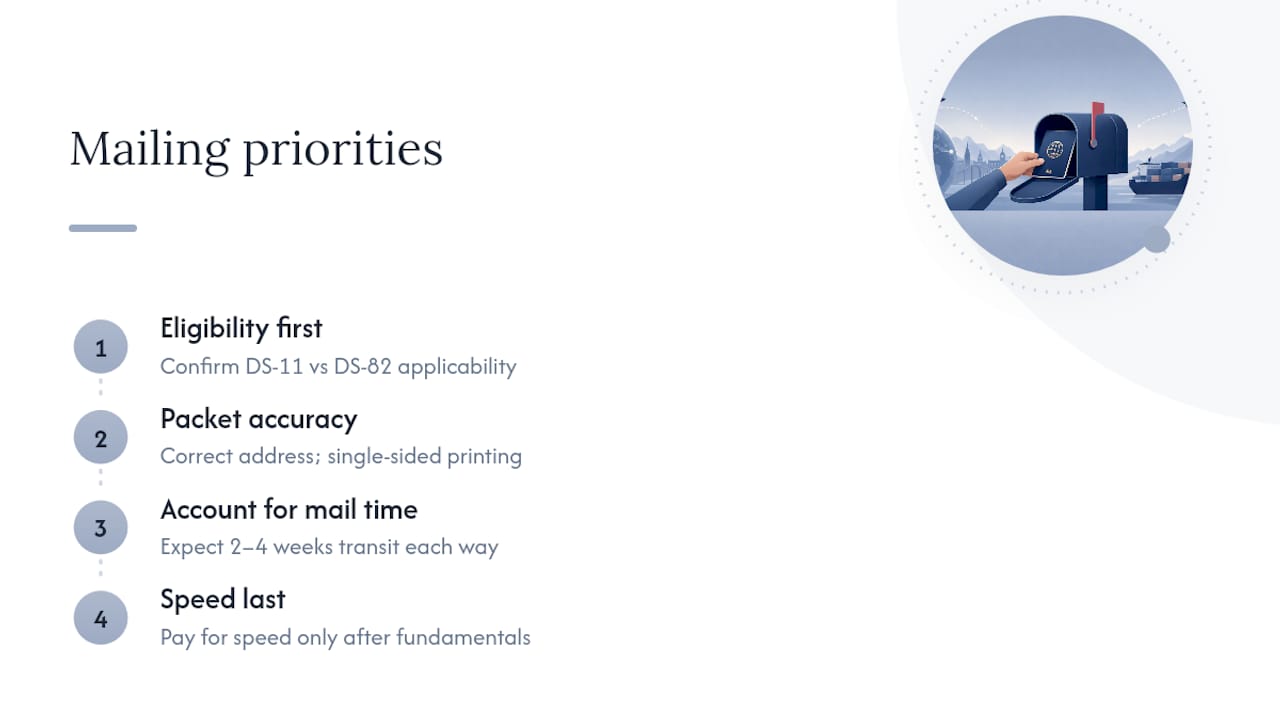
My honest read: prioritize eligibility first, packet accuracy second, and speed of service last. A perfectly assembled DS-82 sent Priority Mail beats a rushed, error-filled packet sent overnight. Fix the fundamentals before you pay extra for speed.