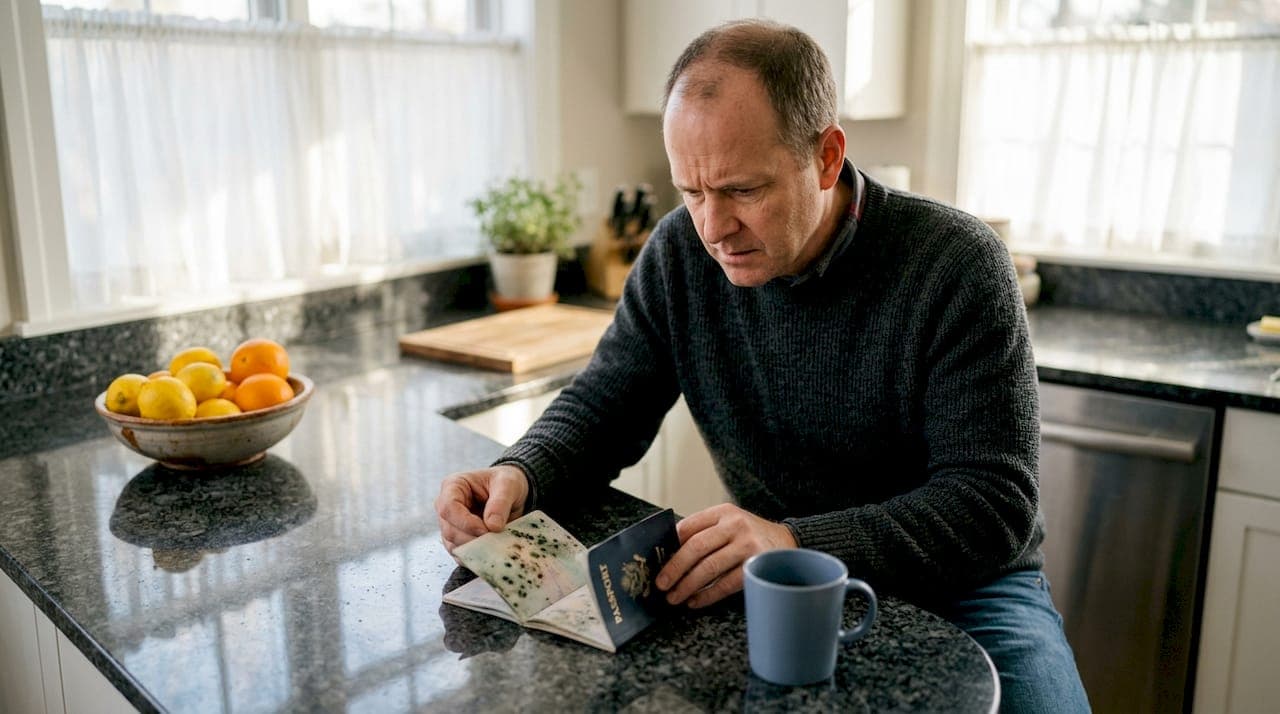
Mold on a passport is defined as physical damage that invalidates the document for international travel under U.S. State Department guidelines. That is not a gray area. If a border agent spots mold, they can deny you boarding or entry on the spot, regardless of your expiration date. The State Department's position is clear: a passport with mold, water damage, or stains must be replaced before you travel. Knowing this early saves you from a very expensive, very stressful lesson at the airport.
What qualifies as passport damage, and why does mold matter?
The U.S. State Department defines a damaged passport as any document where the physical condition compromises its integrity or readability. Mold is explicitly listed alongside water damage, tears, holes, and unauthorized markings as conditions that disqualify a passport from use. This matters because your passport is not just an ID. It contains an embedded chip, security laminates, and machine-readable data that mold can degrade.
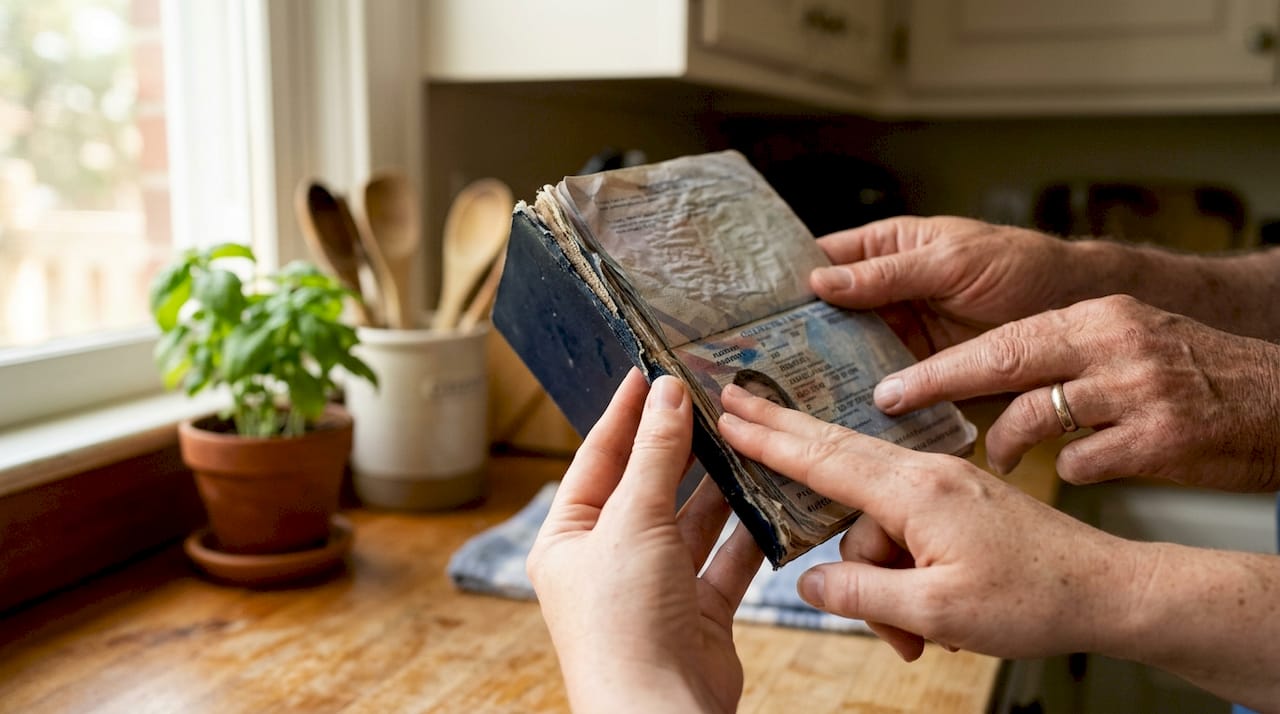
What counts as normal wear versus unacceptable damage is a real distinction. Normal wear includes minor scuffs on the cover, light creasing from regular use, and faded ink from age. Unacceptable damage includes anything that affects the data pages, the chip, or the photo. Mold falls squarely in the unacceptable category because it spreads across pages and compromises the laminate that protects your photo and personal data.
Here is what the State Department flags as disqualifying damage:
- Mold or fungal growth on any page
- Water stains that obscure text or the photo
- Torn or missing pages
- Holes or punches not made by officials
- Ink, marker, or crayon markings on data pages
- Delamination of the photo page
One critical point that physical condition overrides the printed expiration date. A passport that expires in 2030 but has mold on the photo page is invalid today. Travelers frequently misunderstand this and assume an unexpired passport is always valid for travel.
Border agents' discretion varies widely and unpredictably. One officer may wave you through; the next may pull you from the boarding line. That inconsistency is exactly why you cannot gamble on a moldy passport.
Can you safely clean mold from a passport?
Cleaning mold from a passport is possible in a limited, surface-level way. It is not a reliable fix. The honest answer is that no cleaning method restores a passport to a condition that satisfies official standards or eliminates the risk of rejection at a border.
Here is a realistic comparison of common cleaning approaches:
| Method | What it does | Risk level |
|---|---|---|
| Dry soft cloth | Removes loose surface spores | Low, but rarely sufficient |
| Mild soap and water | Lifts surface mold temporarily | Medium. Risks page warping |
| Isopropyl alcohol | Kills spores on hard surfaces | High. Strips protective coatings |
| Hydrogen peroxide | Bleaches mold stains | High. Bleaches ink and laminates |
| Hair dryer or iron | Dries moisture fast | Very high. Warps chip and laminate |
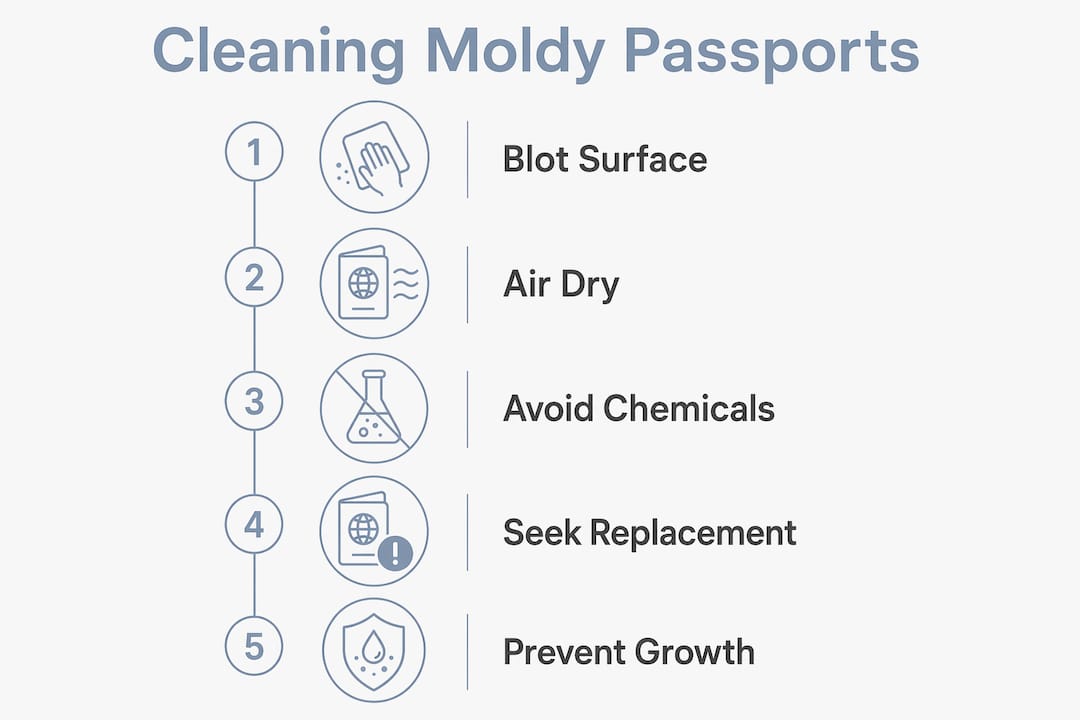
Harsh chemicals like alcohol and hydrogen peroxide bleach ink and strip the protective finish from data pages. That worsens the damage and increases the chance a border agent rejects the document outright. Heat sources are equally destructive. Government guidance advises against hair dryers or irons on wet or moldy passports because they warp the embedded chip and laminate layers.
If your travel is days away and you need a short-term measure, the safest emergency approach is to gently blot the affected pages with a dry cloth, then separate the pages with paper towels and allow the passport to air dry flat at room temperature. This method minimizes warping and slows further mold spread without introducing new damage.
Pro Tip: If you discover mold on your passport more than a few weeks before travel, skip the cleaning attempts entirely. Start the replacement process immediately. Cleaning buys you nothing official.
The bottom line on cleaning: emergency cleaning with mild soap may remove surface mold temporarily, but replacement remains the only reliable solution.
How to prevent mold growth on your passport
Prevention is far cheaper and less stressful than replacement. Mold grows where moisture collects, so controlling humidity around your passport is the entire strategy.
The U.S. State Department recommends storing passports in cool, dry locations away from bathrooms, kitchens, and any space with regular humidity fluctuation. Silica gel packets placed near your passport in a drawer or travel pouch absorb ambient moisture before it reaches the document.
Follow these storage and travel practices to keep your passport mold-free:
- Store your passport in a cool, dry drawer, not in a bathroom cabinet or near a kitchen sink
- Place one or two silica gel packets in the same storage location or travel pouch
- Avoid airtight plastic bags for long-term storage. They trap moisture and accelerate mold growth
- Use a waterproof passport holder when traveling in humid climates or near water
- Never store a damp passport. If it gets wet, air dry it fully before putting it away
- Keep it away from sunscreen, lotion, and food, which all introduce organic material that feeds mold
Pro Tip: Silica gel packets are not just for shoeboxes. Toss one into your travel bag alongside your passport when visiting tropical destinations. Replace them every six months because they saturate over time.
Travelers heading to humid destinations like Southeast Asia, the Caribbean, or Central America face the highest risk. A waterproof pouch and a silica gel packet cost almost nothing compared to an emergency passport replacement abroad.
Steps to replace a mold-damaged passport
Replacing a mold-damaged passport follows a specific process. Skipping steps or submitting incomplete documents causes delays that can derail your travel plans.
-
Complete Form DS-11. This is the standard application for a new U.S. passport. You cannot use the DS-82 renewal form for a damaged passport. DS-11 requires an in-person appearance at a passport acceptance facility or a regional passport agency.
-
Write a signed damage statement. You must submit a signed written statement explaining how the damage occurred. Border officers and processing agents use this statement to distinguish accidental damage from tampering. Be honest and specific. Vague statements raise flags.
-
Submit your original identification documents. Bring your original birth certificate, a valid government-issued photo ID, and any prior passports. Original documents are required. Photocopies cause automatic delays.
-
Bring the damaged passport. You must surrender the mold-damaged passport with your application. Do not discard it before applying.
-
Get a compliant passport photo. Photo compliance is critical to avoid rejection. Common errors include incorrect sizing, shadows, and non-white backgrounds. Getting your photo taken at the acceptance facility removes this risk.
-
Pay the applicable fees. Passport book fees apply as if you are applying for the first time, since DS-11 is a new application. Expedited processing is available for an additional fee if your travel date is within eight weeks.
-
Apply early. Routine processing currently takes several weeks. If your trip is approaching, request expedited service or schedule an appointment at a regional passport agency for urgent cases.
The replacement process is straightforward when you arrive prepared. The most common delays come from missing original documents, non-compliant photos, and incomplete damage statements.
Key Takeaways
A mold-damaged passport is invalid for travel and requires full replacement under U.S. State Department rules, regardless of the printed expiration date.
| Point | Details |
|---|---|
| Mold invalidates your passport | The State Department lists mold as damage that disqualifies a passport from travel use. |
| Cleaning is not a fix | Chemicals and heat worsen damage. Air drying is the only safe emergency measure. |
| Prevention is low cost | Silica gel packets and dry storage stop mold before it starts. |
| Replacement requires DS-11 | You must apply in person with original documents and a signed damage statement. |
| Act before your trip | Routine processing takes weeks. Apply early to avoid disrupting travel plans. |
What I've learned from travelers who waited too long
The most common mistake I see is travelers who notice mold on their passport weeks before a trip and spend that time trying to clean it instead of starting the replacement process. They arrive at the airport with a passport that looks slightly better but is still technically damaged. Border agents are not impressed by a passport that smells like cleaning solution.
The second mistake is assuming that because the passport is not expired, it is valid. Physical damage overrides the expiration date. A 2030 expiration date on a mold-covered document means nothing to a customs officer.
The damage statement is where people also get tripped up. Some travelers write vague explanations like "it got wet" without specifying when or how. Processing agents flag these because they look incomplete. Write a clear, honest account. "The passport was stored in a bathroom cabinet in a humid climate for approximately six months" is far more credible than "water damage occurred."
My honest advice: if you find mold on your passport and you have any travel planned in the next six months, replace it now. The cost of a new passport is fixed. The cost of a denied boarding, a missed trip, and emergency rebooking is not.
— David
Passport replacement help when you need it
Discovering mold on your passport is stressful, especially when a trip is on the horizon. Passportcenter is a free resource built to help U.S. travelers cut through the confusion around passport replacement requirements, processing timelines, and application steps.

Passportcenter covers everything from Form DS-11 requirements to expedited processing options for urgent situations. If you need to connect with a trusted passport courier service for faster turnaround, Passportcenter points you in the right direction without the guesswork. Check the site before your next step so you know exactly what to bring, what to expect, and how long it will take.
FAQ
Does mold on a passport make it invalid?
Yes. The U.S. State Department classifies mold as physical damage that disqualifies a passport from travel use, regardless of the expiration date.
Can I travel with a moldy passport?
Traveling with a moldy passport risks denied boarding or denied entry. Border agents have full discretion to reject damaged documents, and there is no universal tolerance standard.
What is the safest way to clean a moldy passport?
Gently blot the surface with a dry cloth, separate pages with paper towels, and air dry flat at room temperature. Avoid alcohol, hydrogen peroxide, and heat sources, which all cause additional damage.
How do I replace a mold-damaged passport?
Complete Form DS-11, submit original identification documents, surrender the damaged passport, include a signed damage statement, and apply in person at a passport acceptance facility or regional agency.
How do I prevent mold on my passport?
Store your passport in a cool, dry location with silica gel packets nearby. Avoid airtight bags and bathroom storage. Use a waterproof holder when traveling in humid climates.