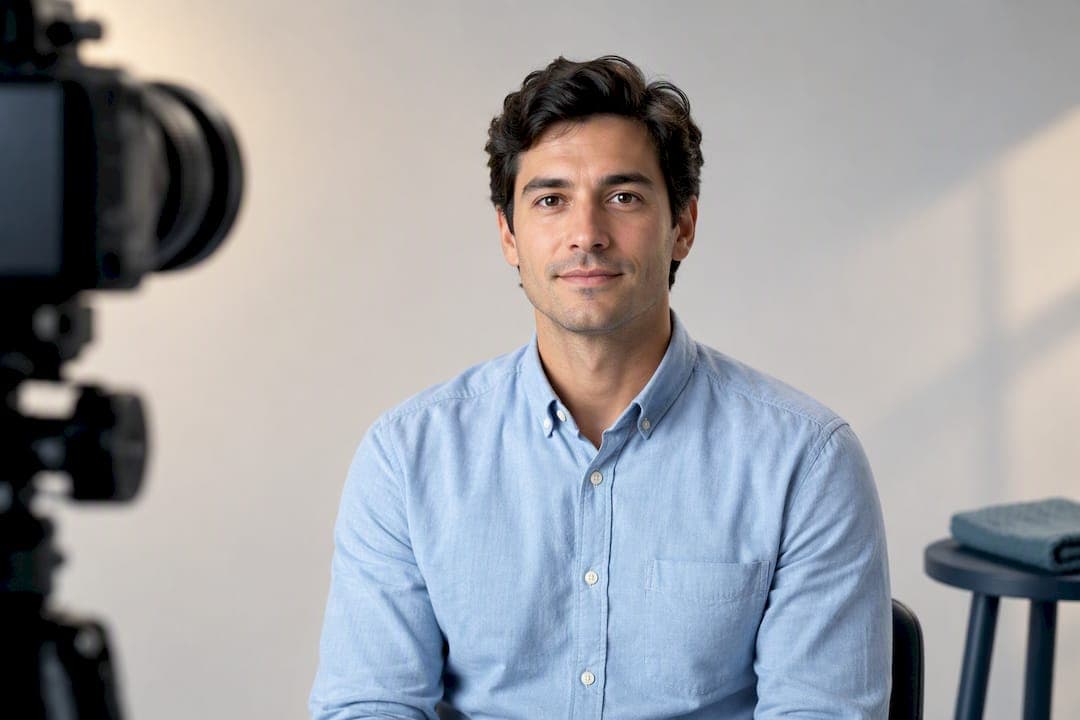
Ordinary daily clothing works fine for a passport photo: there is no required color or neckline. What you cannot wear is a uniform, anything that looks like a uniform, or camouflage. Hats, eyeglasses, and face coverings also have to come off unless you have documented religious or medical reasons to keep them on.
TL;DR:
- Uniforms, camouflage, and clothing resembling official attire are strictly prohibited, as they can cause confusion about your identity.
- Head coverings for religious reasons are allowed if they leave the full face visible, are a single color, and do not cast shadows across the face.
- Clothing should avoid high collars, scarves, or accessories that obscure the chin or jawline, which are essential for meeting size and framing standards.
- Eyeglasses must be removed unless a signed medical note is provided, and reflective or tinted lenses are not permitted.
- Prepare your clothing and accessories by choosing plain, relaxed, and non-reflective items, and follow a checklist to prevent common rejection causes.
Table of Contents
- What to wear: everyday clothing that passes review
- What to avoid: uniforms, camouflage, hats, glasses, and face coverings
- Religious and medical head coverings: exceptions and documentation
- Clothing and framing: how collars and scarves affect the 2x2 rules
- How clothing causes photo rejection: a pre-submit checklist
- Common clothing mistakes seen and how to fix them
- Why passport photo rules focus on identity, not fashion
- Where PassportCenter.ai can help with your next application
- Sources
- FAQ
What to wear: everyday clothing that passes review
The Department of State keeps this simple: wear normal daily clothing, and skip anything that resembles a uniform or camouflage pattern. There is no rule about shirt color, and no rule about neckline shape. A plain t-shirt, a button-down shirt from a custom tailored collection, or a blouse all clear the bar as long as the fabric does not create a distraction.
Reviewers care about one thing above all: getting a clear, reliable likeness of your face. Clothing only matters when it interferes with that goal, so the safest picks are the ones that disappear into the background of the photo rather than compete with your face for attention.
A few practical choices make this easier:
- Choose simple, closed collars instead of turtlenecks or high-necked sweaters that shadow your jaw.
- Skip reflective fabrics, sequins, and busy patterns that add visual noise around your face.
- Avoid all-white or all-black tops if your background is the same shade, since the contrast helps the photo processor separate you from the backdrop.
- For infants and children, keep the neck and lower face fully visible and avoid bibs, hoods, or collars that ride up.
None of this requires special shopping. Most people can grab something already in their closet and be done with it, which is the point.
What to avoid: uniforms, camouflage, hats, glasses, and face coverings
A handful of clothing and accessory choices account for most preventable rejections. Here is the short list, in order of how often they trip people up:
- Uniforms and uniform-like clothing. Anything that might be mistaken for a police, military, medical, or other official uniform is barred because it creates confusion about who is being verified.
- Camouflage patterns. Camouflage is grouped with uniforms and prohibited outright, regardless of the reason you own it.
- Hats and non-religious head coverings. These must come off unless a religious or medical reason applies and you have the paperwork to back it up.
- Eyeglasses, including tinted or sunglasses. Glasses generally need to come off; if a medical condition prevents that, a paper application needs a signed doctor's note.
- Headphones, earpieces, and lanyards with employee IDs. These read as accessories that obscure identity, not as clothing, and should be out of frame entirely.
Unacceptable photos are a leading reason online passport applications get put on hold, according to the State Department's upload guidance, which makes clearing this list before you submit worth the extra minute it takes.
Religious and medical head coverings: exceptions and documentation
Head coverings worn daily for religious reasons are the one real exception to the no-hats rule, and medical conditions get similar treatment for eyeglasses. The requirements are narrow and specific:
- The covering must leave your full face visible from the bottom of your chin to the top of your forehead.
- It should be a single, unpatterned color with no holes, mesh, or decorative cutouts that could interrupt the face.
- No shadows can fall across your face from the fabric, so lighting placement matters as much as the covering itself.
For paper applications, the religious accommodations guidance asks applicants to include a signed statement explaining the religious reason for the head covering. A medical exception for glasses works the same way: a signed doctor's note travels with the paper application.
USCIS handles its own capture accommodations at in-person appointments differently. Its policy on religious accommodations allows headwear to stay on when a reliable likeness is still possible, and staff can offer a private room or a same-gender photographer where feasible.
Pro Tip: Take your head-covering photo near a window with even daylight rather than overhead lighting, which tends to throw shadows across the upper face.

Clothing and framing: how collars and scarves affect the 2x2 rules
Every passport photo has to meet a fixed geometry: a 2x2 inch print with your head measuring between 1 and 1 and 3/8 inches from chin to the top of the head, based on the Department of State's specifications. Clothing that pushes past your natural neckline eats into that measurement without you realizing it.
A thick scarf, a popped collar, or a chunky turtleneck can obscure the jawline the reviewer needs to see clearly, often flagged as an obstruction even when your face itself is fully visible. The fix is usually a small adjustment rather than a wardrobe change.
- Loosen or unbutton collars so your neckline sits at its natural, relaxed position.
- Remove scarves, neckties that sit unusually high, and anything draped over the shoulders.
- Tuck lanyards, ID badges, and necklaces out of frame or take them off entirely.
- For infants, use minimal, plain coverings and keep any hand or arm supporting the baby completely out of frame.
Our guide to passport photo size requirements walks through the measurement side in more detail if you want the full breakdown before you shoot.
How clothing causes photo rejection: a pre-submit checklist
Most clothing-related rejections trace back to the same handful of causes, and each one has a quick fix:
- Uniform or camouflage clothing worn by mistake: swap it for plain, everyday clothing before you retake the shot.
- Shadows from a hat brim or scarf: move to even, diffused lighting and remove the item if it is not a documented exception.
- Glasses left on: take them off unless you have a medical note on file for a paper application.
- Obstructed jaw from a high collar: loosen the collar and recheck that your chin and neck are both visible.
Run this list before you upload or mail anything:
| Check | What to confirm |
|---|---|
| Glasses | Removed unless medically documented |
| Head covering | Removed unless religious or medical exception applies |
| Collar and neckline | Jaw and neck fully visible |
| Shadows | None across the face from clothing or headwear |
| Background and head size | Plain background, head sized to specification |
| Editing | No filters, no digital retouching |
If a photo is rejected, retake it rather than trying to edit around the problem, and attach any required signed statement or doctor's note the second time around. Our step-by-step guide to taking a compliant photo at home covers the retake process in more depth.
Common clothing mistakes seen and how to fix them
Some common clothing mistakes are small and easy to miss: a heavy scarf worn out of habit, reflective jewelry that catches the flash, or glasses pushed up on top of the head instead of removed. Each one is a quick fix once you know to look for it.
A simple pre-shoot routine catches almost all of it:
- Put on plain, solid clothing with a relaxed collar before you set up the camera.
- Take off glasses, hats, and dangling jewelry, and check your shoulders for stray lanyards.
- Shoot against a plain, light background with even lighting and no harsh shadows.
- Zoom in on the image afterward to confirm your jaw and neck are both clearly visible.
Pro Tip: Take three or four shots in a row and compare them on a full screen, not a phone thumbnail, before you pick your favorite.
If your situation involves a tight travel deadline or a photo that keeps getting rejected, a professional passport photo service or an expedited courier can save you the back and forth.
Why passport photo rules focus on identity, not fashion
Every clothing rule in this guide traces back to one goal: giving a reviewer a clean, reliable way to confirm who you are. Once you see it that way, the rules stop feeling arbitrary. A uniform or camouflage pattern is banned because it competes with your identity as the visual focus, not because anyone objects to the clothing itself.
That same logic explains the religious and medical exceptions. The accommodation exists because identity verification and personal practice do not have to be in conflict, as long as the face stays visible and documented. Keep that in mind and the rest of the checklist takes care of itself.
— David
Where PassportCenter.ai can help with your next application
Getting the clothing right is one piece of a larger process, and PassportCenter.ai built its guides around exactly that kind of practical detail. We put together checklists that walk you through photo rules, application forms, and processing timelines in plain language, so you are not digging through government pages on your own.
If your clothing photo keeps failing or you are working against a tight travel date, we also connect readers to vetted, expedited passport courier partners who can help you get a compliant photo and a finished application moving faster.
- Browse our step-by-step guides for photo rules, renewals, and name changes.
- Check our infant and child photo guidance if you are applying for a minor.
- Get connected to an expedited courier partner when your timeline is tight.
Visit Passportcenter for the full set of guides and to see which options fit your situation.
Sources
FAQ
Is there a dress code for US passport photos?
There is no formal dress code requiring a specific color or neckline. The Department of State asks you to wear normal daily clothing and avoid uniforms, uniform-like clothing, or camouflage.
Does it matter what clothes you wear in a passport photo?
It matters only in that your clothing should not obscure your face or resemble a uniform. Ordinary shirts, blouses, and sweaters are fine as long as the collar does not block your jaw or neck.
Is it okay to wear a shirt for a passport photo?
Yes, a regular shirt is acceptable for a passport photo. Just make sure it does not cover part of your face or cast a shadow, and skip anything that looks like a uniform.
How should I wear clothes for a passport photo?
Keep your collar relaxed and your neck and jaw fully visible, and remove scarves, lanyards, and heavy jewelry before the shot. Choose a plain garment without patterns or reflective fabric so nothing distracts from your face.