
Yes, U.S. passport holders need a visa to enter Tanzania. You will need the official 12-month multiple-entry eVisa, which costs $100, through the Tanzania Immigration eVisa portal. Before you book anything, check that your passport has at least six months of validity left and a blank visa page, then start your application at Visa.
TL;DR:
- Your passport needs six months of validity and one blank visa page; upload its biodata scan, a plain background photo, and your flight itinerary.
- Apply early because referral reviews can extend processing, and rejected applications generally do not receive refunds; verify every form detail before paying the $100 fee.
- The online route is recommended for shorter airport waits, while visa on arrival remains a backup for last minute trips with less time to apply.
- One grant notice covers mainland Tanzania and Zanzibar, but business activities and transit may require different visa categories, so check the official guidelines before applying.
Table of Contents
- Quick facts on the Tanzania eVisa for US citizens
- How to apply for the Tanzania eVisa step by step
- Passport and document rules for entry
- Fees, processing time, and tracking your application
- eVisa or visa on arrival: which should you choose?
- What to expect at passport control on arrival
- Safety steps and embassy contacts before you fly
- How long you can stay under the Tanzania eVisa
- What you can and can't do on a Tanzania eVisa
- Our take on applying early versus waiting
- Confirming your passport is ready before you apply
- FAQ
- Sources
Quick facts on the Tanzania eVisa for US citizens
You have two ways to get this visa: apply online through the official Tanzania Immigration eVisa portal before you fly, or request a visa on arrival at the airport. Immigration authorities recommend the eVisa route because it moves you through the airport faster and reduces the chance of a holdup at the border.
Here's the quick reference:
- Visa type: Multiple-entry tourist visa (required for U.S. citizens, not the ordinary visa)
- Fee: $100, paid online during the eVisa application
- Validity: 12 months from the date of approval
- Where to apply: The official Tanzania Immigration eVisa portal
- Embassy reference: The Embassy of the United Republic of Tanzania in Washington, D.C. for consular questions
- Backup option: Visa on arrival, though the eVisa is the recommended path
Once you know the fee and the timeline, the next step is walking through the application itself.
How to apply for the Tanzania eVisa step by step
The eVisa process is straightforward if you follow the steps in order and have your documents ready before you start. Rushing through the form or uploading the wrong file type is the most common reason applications stall.
- Go to the official portal. Open visa.immigration.go.tz directly. Don't use a third-party site that charges extra fees for the same service.
- Select the correct visa category. Choose the multiple-entry tourist visa. As a U.S. citizen, you're required to apply for this category rather than the single-entry ordinary visa.
- Create your account and start the form. Enter your personal details exactly as they appear on your passport: full name, date of birth, passport number, and issue and expiry dates.
- Enter your travel dates carefully. List your intended arrival date and trip purpose. Mistakes here can delay approval or cause a mismatch at the border.
- Upload your documents. You'll need a scan of your passport biodata page, a passport-style photo, and your flight itinerary or booking confirmation. Follow the portal's file size and format specifications exactly.
- Pay the $100 fee online. The portal accepts payment by card. Save or screenshot your payment receipt in case you need to reference it later.
- Wait for processing, then check your status. The portal provides guidance on when to lodge your application. Some applications require additional internal referral and can take longer.
- Download and print your grant notice. Once approved, you'll receive a grant notice by email. Print it and also keep a digital copy, since you'll present it to the immigration officer when you land.
Pro Tip: Apply from a laptop or desktop rather than a phone. The document upload fields on the portal are easier to manage on a full-size screen, and you're less likely to submit a blurry scan.
Don't book nonrefundable activities or internal flights until your eVisa grant notice is in hand. The portal's own terms advise against arriving in Tanzania before your visa is approved, so building in a buffer protects your travel plans. If you've gone through a similar process for another country, the flow will feel familiar. Our Kenya eVisa guide for U.S. citizens walks through a comparable application sequence, and our India eVisa guide covers the same kind of photo and document checks you'll run into here.
Passport and document rules for entry
Tanzania immigration has specific requirements for your passport and supporting paperwork, and missing one of them is the fastest way to get stuck at the application stage or the airport counter.
- Passport validity: Your passport must be valid for at least six months, per Tanzania Immigration guidelines.
- Blank visa page: You need at least one completely blank page in your passport for the entry stamp, separate from the data page.
- Passport scan: Upload a clear scan or photo of your passport's biodata page during the eVisa application.
- Passport-style photo: Follow the portal's photo specifications, typically a recent, plain-background headshot in JPEG format.
- Flight itinerary: A booking confirmation or itinerary showing your arrival and departure dates is required as supporting documentation.
- Grant notice: Once approved, carry both a printed and digital copy of your eVisa grant notice to present at the port of entry.
- Minors and invited guests: If you're traveling with a child or on an invitation, the portal may ask for additional supporting letters, so check the specific category requirements before you submit.
If your passport is close to that six-month mark, renewing before you apply saves you from a rejected eVisa application. Our guide on expired passport travel rules breaks down how validity windows affect eVisa eligibility if you want to double check your timeline.
Fees, processing time, and tracking your application
The $100 fee applies to U.S. passport holders applying for the multiple-entry tourist visa, and it's paid directly through the eVisa portal during your application, according to the State Department's Tanzania travel advisory. U.S. citizens are not eligible for the lower $50 ordinary visa available to some other nationalities.
$100 is the fee every U.S. applicant pays for the 12-month multiple-entry visa, and that single fee covers unlimited entries during the validity period, which makes it a reasonable deal if you're planning more than one trip to Tanzania within the year.
A few practical notes on payment and timing:
- Pay the fee online through the portal using a credit or debit card.
- If your application is rejected, the fee is generally nonrefundable, so double-check your form before submitting.
- Tanzania Immigration guidelines provide guidance on when to lodge your application.
- Some applications go through additional referral review, which can extend processing well beyond the standard window, so applying early gives you a cushion.
- You can check your application status directly on the eVisa portal using your reference number.
- Once approved, your grant notice email contains your visa reference number, validity dates, and the document you'll present on arrival.
If your trip is more than a few weeks out, there's no reason to wait. Submitting early gives the portal room to process your file without putting your travel dates at risk.
eVisa or visa on arrival: which should you choose?
Both options get you into Tanzania legally, but they come with different tradeoffs depending on how far out you're planning.
- eVisa (recommended): Apply online in advance, upload your documents, pay the fee, and arrive with your grant notice ready. This is the path immigration authorities recommend because it moves you through arrival lines faster.
- Visa on arrival: Still available for U.S. citizens, but expect a longer wait at the airport counter while officers process your paperwork on the spot.
- Zanzibar travelers: The same eVisa covers both mainland Tanzania and Zanzibar. You'll present the identical grant notice whether you land in Dar es Salaam or Zanzibar.
- Last-minute trips: If your travel dates are only a few days out, the on-arrival option exists as a backup, though it carries more uncertainty.
Pro Tip: If your itinerary includes both the mainland and Zanzibar, confirm your eVisa grant notice lists both before you fly. You won't need a second visa for the island leg of your trip.
For most U.S. travelers, applying online ahead of time is the better call. It removes the guesswork from your arrival day and gives you a paper trail if anything needs to be verified later.
What to expect at passport control on arrival
When you land, you'll go through a straightforward but specific process. Knowing the steps ahead of time keeps the line moving and avoids surprises.
- Present your passport, printed grant notice, and any supporting documents requested to the immigration officer.
- Confirm you have at least one blank visa page available for the officer to apply your entry stamp.
- Declare any currency over $10,000 you're carrying in or out of Tanzania, a requirement that applies regardless of visa type.
- Know that non-resident Americans generally cannot import or export Tanzanian shillings.
- If an officer asks for additional documents or a referral, stay calm and reference your embassy contacts if you need guidance.
Most U.S. travelers with a properly completed eVisa move through this process in a few minutes. The paperwork you prepared during the application stage is exactly what gets checked here, so having your grant notice printed and accessible saves you from digging through your phone at the counter.
Safety steps and embassy contacts before you fly
Beyond the visa paperwork, there are a few U.S.-specific steps worth taking before departure, and they cost nothing but a few minutes of your time.
- Enroll in the Smart Traveler Enrollment Program (STEP) so the U.S. Embassy can reach you directly if there's an emergency during your trip.
- Save the U.S. Embassy Dar es Salaam contact information and emergency phone numbers in your phone before you leave, not after you land.
- Keep a printed copy of your passport's biodata page and your eVisa grant notice separate from the originals, in case your bag or wallet goes missing.
- Review the Tanzania travel advisory for current risk areas and build a basic emergency plan around it.
- Check the U.S. Embassy's traveler page periodically in the weeks before your trip for updated entry guidance.
STEP enrollment is free and takes a few minutes, and it's the single most practical thing a U.S. traveler can do before an international trip, since it's how the embassy locates and contacts citizens during a crisis.
How long you can stay under the Tanzania eVisa
The multiple-entry tourist eVisa for U.S. citizens is valid for 12 months. That means you can enter and exit Tanzania multiple times within that 12-month window without reapplying.
Each individual stay is still subject to the terms set at entry by the immigration officer, who stamps your passport with your permitted stay length. If you're planning a longer visit or multiple trips across the mainland and Zanzibar within the same year, the multiple-entry structure works in your favor since you won't need to file a new application for each trip.
If your plans extend beyond what's stamped at entry, you'll need to sort out an extension through Tanzanian immigration authorities before your permitted stay runs out. Overstaying isn't something to risk, since it can complicate future entries or trigger fines at departure.
What you can and can't do on a Tanzania eVisa
The multiple-entry tourist eVisa is built around tourism and leisure travel. That covers typical activities like safaris, beach time in Zanzibar, visiting family, and general sightseeing across the mainland and islands.

If your trip includes business meetings, conferences, or short-term work-related activities, check the portal's category options carefully, since business travel may fall under a different visa classification than the standard tourist category most U.S. leisure travelers use. Transit through Tanzania to a third country also has its own handling under immigration rules, so if you're only passing through, confirm whether your layover requires a visa at all or falls under a transit exemption.
Mixing up these categories on your application is one of the more common mistakes U.S. travelers make. If you're not sure which category fits your trip, it's worth reviewing the eVisa guidelines directly before you submit, since selecting the wrong one can delay approval or require you to restart the process.
Our take on applying early versus waiting
The biggest mistake we see U.S. travelers make with Tanzania isn't picking the wrong visa category. It's waiting until the week before departure to start the process at all. The eVisa portal provides timing guidance, and applications may take longer if everything does not go smoothly. Referral cases, document mismatches, and payment hiccups all eat into that buffer fast.
Apply for your eVisa as soon as your travel dates are locked in, not after you've booked every excursion. Check your passport validity first, since a passport with less than six months left is the single most preventable reason an application gets held up. Once you're approved, print your grant notice and keep a digital backup, and take the five minutes to enroll in STEP and save the embassy's contact information before you board your flight. None of these steps are complicated. They're just easy to skip when you're focused on packing instead of paperwork.
— David
Confirming your passport is ready before you apply
Before you touch the eVisa form, it's worth confirming your passport actually meets the requirements, because a rejected application over a technicality costs you both time and the nonrefundable fee. We built our country-specific checklists at PassportCenter.ai to help you verify exactly that: validity windows, blank page counts, and the document specifics that trip up travelers applying for visas like Tanzania's.
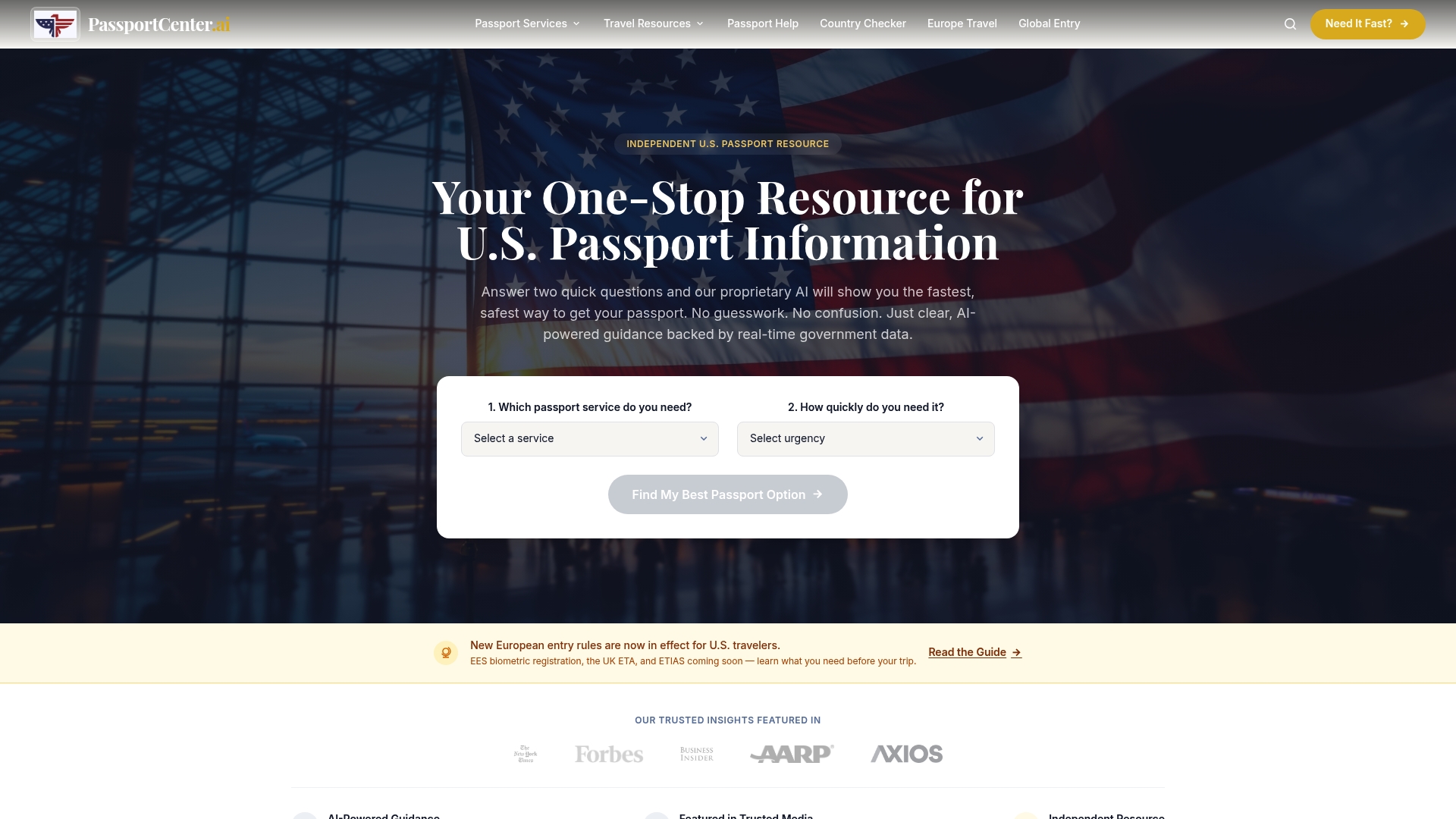
If your passport is close to expiring or doesn't have enough blank pages left, you're better off handling that before you start the Tanzania eVisa process rather than after a rejection. For travelers on a tight timeline, we connect you to vetted expedited passport courier services so a renewal doesn't become the thing standing between you and your trip.
- Run your passport details through our country-specific checklists before starting any eVisa application.
- Use our guidance to confirm validity and blank-page requirements match what Tanzania immigration expects.
- If you need a faster turnaround on a renewal, we link you to trusted courier partners who handle expedited processing.
Start by checking your passport readiness at Passportcenter before your next international trip.
FAQ
Can U.S. citizens get a Tanzania visa on arrival?
Yes, U.S. citizens can obtain a visa on arrival at Tanzanian ports of entry. Immigration authorities recommend applying for the eVisa in advance instead, since it moves faster at the airport than processing a new application on the spot.
Is it better to get a Tanzania visa on arrival?
Applying for the eVisa before you travel is generally the better option. It lets you upload documents and pay the $100 fee ahead of time, which reduces wait times and uncertainty compared to processing everything at the airport counter.
How long does it take to get a Tanzania eVisa?
Processing time varies, but the official guidelines provide guidance on when to lodge your application. Some applications require additional referral review, which can extend that timeline, so applying early gives you a safety margin.
What is the official website for U.S. citizens to apply for a Tanzania visa?
The official application site is the Tanzania Immigration eVisa portal at visa.immigration.go.tz. Avoid third-party websites that charge extra fees for the same government application.
Do U.S. citizens need a visa to visit Zanzibar?
Yes, the same Tanzania eVisa covers both the mainland and Zanzibar. You'll present the identical grant notice at either port of entry, so there's no separate visa needed for the island.