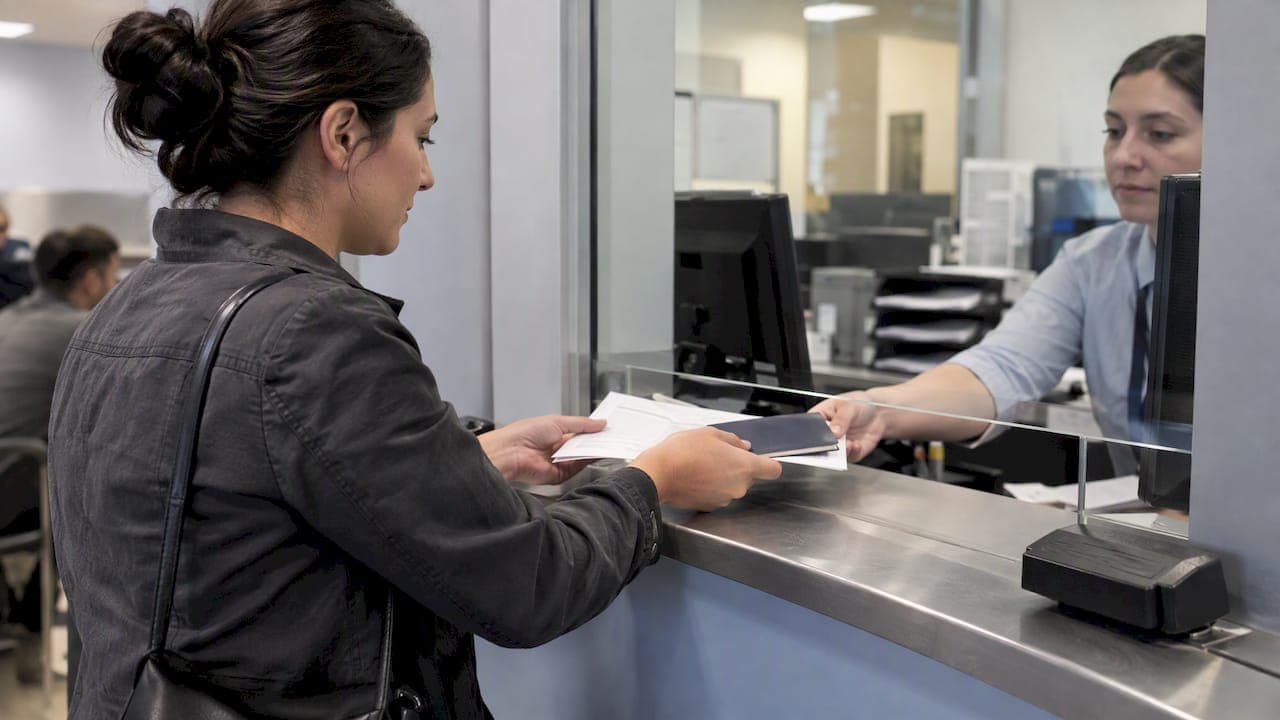
Most travelers who are not Visa Waiver Program nationals need a transit (C) visa to connect through a U.S. airport, while VWP nationals normally need only an approved ESTA. The U.S. Department of State sets the visa rules and U.S. Customs and Border Protection runs ESTA. Check your ESTA status today, or start a DS-160 if you are not eligible.
TL;DR:
- A C visa covers immediate, continuous transit for no more than 29 days; leaving the airport to sightsee or visit requires a visitor visa instead.
- VWP travelers need an electronic passport, matching passport details, and approved ESTA; enter In Transit in the address field, though approval does not guarantee admission.
- Carry onward tickets, destination entry permission, proof of funds, and evidence of home ties; officers may ask how you will depart the United States.
- Apply for ESTA early and check it before travel; denial requires a visa application, and consular appointment waits vary, so avoid nonrefundable tickets meanwhile.
Table of Contents
- What a transit (C) visa is and who qualifies
- When you can transit using ESTA and the Visa Waiver Program
- Documents and eligibility evidence you must have
- How to apply for a U.S. transit (C) visa, step by step
- Special cases and exceptions you should know
- Timeline and processing: when to apply
- Practical day-of-travel tips for transit and layovers
- Why we say check official guidance early
- How PassportCenter.ai helps U.S. travelers confirm transit requirements
- FAQ
- Sources
What a transit (C) visa is and who qualifies
A C visa covers one narrow situation: you are passing through the United States on the way to another country. The State Department describes this as "immediate and continuous" transit, meaning a prearranged itinerary with a reasonably expeditious departure and no extended layover privileges. Your stay cannot exceed 29 days.
Typical travelers who fall under this category:
- Passengers on a short layover whose only purpose is changing planes.
- Cruise or vessel passengers whose itinerary stops at a U.S. port.
- Crewmember passengers, who may need a C visa or a combined C-1/D visa.
Purpose is what counts, not the length of the layover. If you plan to sightsee, visit friends or leave the airport for any reason beyond the connection, you need a visitor (B) visa instead. Officers look at your ticket, your onward permission to enter the next country and your plan to depart. The Foreign Affairs Manual lists these same criteria: a carrier ticket, sufficient funds and permission to enter the next country.
When you can transit using ESTA and the Visa Waiver Program
If your passport comes from a Visa Waiver Program country, you may not need a visa at all. You do need an approved ESTA before you board, and that applies to transit travelers too. CBP's ESTA guidance says transiting VWP travelers must hold valid authorization.
What to know before you apply:
- Enter "In Transit" in the address lines under "Address While In The United States" on the application.
- Use the same passport on the application that you will travel with.
- You need an e-Passport, according to CBP's ESTA page.
- The Visa Waiver Program allows stays of up to 90 days, but an approved ESTA does not guarantee admission. A CBP officer makes that call at the port of entry.
If you are unsure whether your nationality qualifies, confirm it on the CBP site before booking. Do not assume.
Documents and eligibility evidence you must have
Whether you apply for a C visa or rely on an existing visa, officers want proof that you will keep moving. Prepare these items:
- A passport valid for your travel. Many countries require validity beyond your stay, so check the rule that applies to you.
- Your DS-160 confirmation page.
- A photo that meets consular rules, typically a 2x2 inch color photo taken within the last six months, as consular guidance for transit visas describes.
- Proof of onward travel, such as a ticket to your next country, plus permission to enter that country if it requires one.
- Evidence of funds and of ties to your home country that show you intend to leave the United States.
Check with the U.S. Embassy or Consulate whether your existing visa is suitable for your connection. Consular officers can still ask about your transit plans, so carry the same onward-travel evidence.
Pro Tip: Save your DS-160 confirmation and onward ticket as PDFs on your phone and print one set. A dead battery should not decide your trip.
How to apply for a U.S. transit (C) visa, step by step
Follow this order and you avoid most of the delays travelers run into.
- Complete the online Form DS-160 and save the confirmation page.
- Pay the visa application fee and schedule an interview at the U.S. Embassy or Consulate that has jurisdiction over you. Some applicants qualify for an interview waiver, so check your embassy's site.
- Gather your passport, DS-160 confirmation, photo, proof of onward travel, proof of funds and any documents your consulate lists.
- Attend the interview. Be ready to show that you will depart the United States and that you may enter your destination country, as the Foreign Affairs Manual requires.
- If your ESTA was denied, apply for a nonimmigrant visa at a U.S. Embassy or Consulate. CBP's VWP FAQ says those who do not receive ESTA must take that route. Ask about an expedited appointment if you leave soon.
Special cases and exceptions you should know
A few groups follow different rules, so check yours before you apply for anything.
- Visa requirements depend on your nationality and circumstances. Confirm your situation on the State Department's transit page.
- Crewmembers often use a combined C-1/D visa or a D visa, depending on their duties and itinerary. Your consulate will tell you which applies.
- Diplomatic and UN transit travelers should check the rules that apply to their circumstances.
If you fall into none of these groups, assume the standard rules apply to you.
Timeline and processing: when to apply
Apply for ESTA as soon as you start making travel plans. CBP advises applicants to apply early and check ESTA status before travel, because a pending or denied result discovered at the airport can end your trip.
Visa appointments are a different story. Interview wait times vary by location, and the State Department notes that wait times differ from one post to another. Book the earliest slot you can and check your embassy's site for availability.
If your ESTA is denied and you travel soon, ask the consulate whether an expedited appointment is possible. Do not buy a nonrefundable ticket until you hold a visa or an approved ESTA. A booking does not protect you from being denied entry.

Practical day-of-travel tips for transit and layovers
Most layover problems come from small gaps in preparation, so close them before you leave home.
- Carry proof of onward travel and any entry permission your next country requires. If that country needs its own visa or eVisa, our guide to eVisa vs. visa explains the difference.
- If you are a VWP traveler, carry your ESTA confirmation and make sure the passport matches the one on your ESTA.
- Ask your airline whether your itinerary requires you to clear U.S. immigration, for example to recheck bags or change terminals. That step can trigger a visa requirement.
- Plan generous buffers. Airport timing guidance suggests leaving 2 hours ahead for domestic trips and 3 hours for international ones, and a tight connection leaves no room for a document check.
Pro Tip: Keep copies of your DS-160 confirmation and any embassy appointment receipts where you can reach them without Wi-Fi.
Why we say check official guidance early
I have seen the same mistake repeat: travelers trust a booking confirmation and discover the entry problem at the gate. Airlines can deny boarding, and a missed connection costs far more than a few minutes spent on official pages. Read the State Department and CBP pages well before you fly, assemble your documents early, and re-check your ESTA or visa status the week of departure. Rules change, and the official site is the only place that reflects the change first.
— David
How PassportCenter.ai helps U.S. travelers confirm transit requirements
We built PassportCenter.ai to put clear, current entry rules in one place, with links back to the official government pages. If you are connecting abroad, we can help you:
- Check passport validity rules before you book, including our passport validity guide for Europe.
- Find country-specific transit and entry guidance, such as ETIAS for Americans.
Start at Passportcenter and confirm your requirements before you book your next connection.
FAQ
Do I need a transit visa for a connecting flight in the USA?
It depends on your nationality. VWP nationals usually need only an approved ESTA, while most other travelers need a transit (C) visa. Check the State Department's transit page for your situation.
Do I need a transit visa for a long layover?
A long layover does not by itself change the answer. What matters is your purpose and whether you stay in "immediate and continuous" transit. If you want to leave the airport to sightsee, you need a visitor (B) visa instead.
What are the requirements for a U.S. transit visa?
You need a valid passport, a DS-160 confirmation, a consular photo, proof of onward travel and evidence of funds. You must also show you will depart the United States. The Foreign Affairs Manual sets out these criteria.
What do I enter on my ESTA if I am only transiting?
Enter "In Transit" in the address lines under "Address While In The United States." CBP gives this instruction in its ESTA FAQ.
Sources
- Transit Visa
- Frequently Asked Questions about the Visa Waiver Program (VWP) and the Electronic System for Travel Authorization (ESTA) | U.S. Customs and Border Protection
- 9 FAM 402.4 TRANSIT VISAS – C VISAS
- Applying for an airport transit visa for the Netherlands in the United States | NetherlandsWorldwide