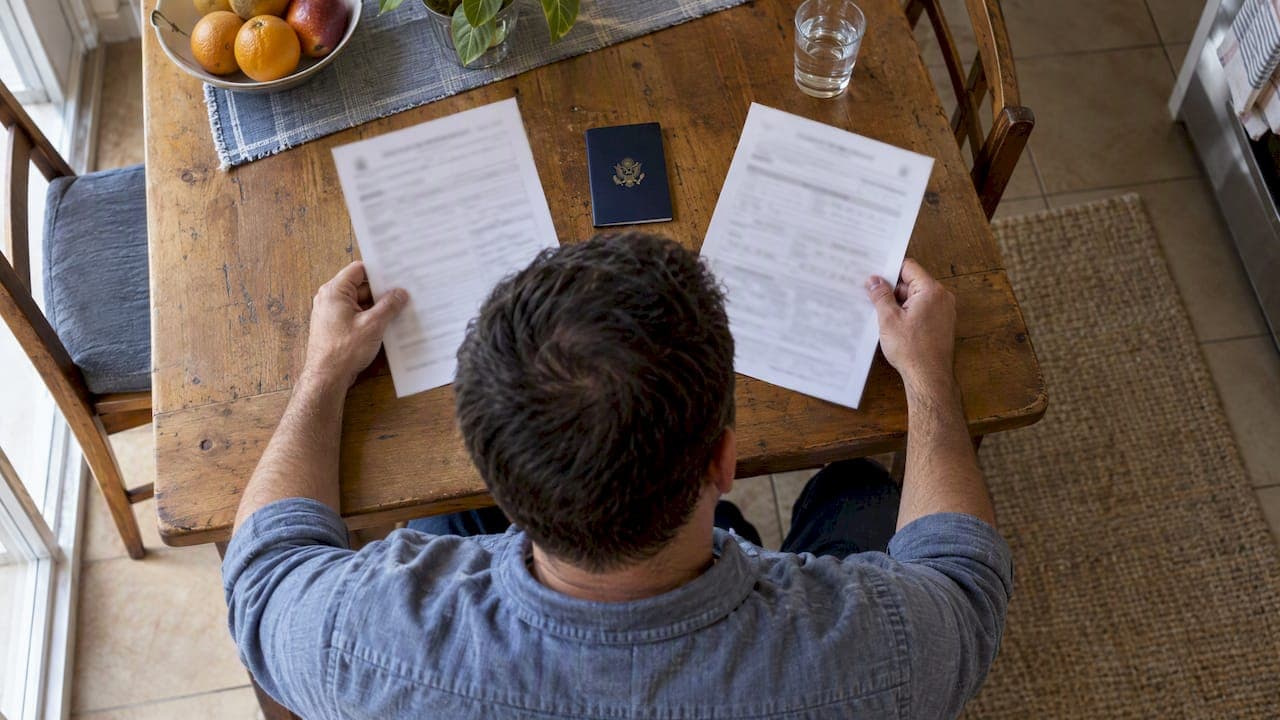
A limited validity passport is an emergency U.S. travel document, typically valid for up to one year, issued when urgent circumstances leave no time to process a standard passport. If you hold one, check the consular issuance letter first: it tells you whether to use Form DS-5504 or Form DS-11 to replace it.
TL;DR:
- Destinations may require six months of validity, and airlines may deny boarding if they or transit countries reject the document; confirm acceptance before flying.
- The issuance letter determines eligibility for fee free replacement; apply within its stated window, because applications after one year incur standard fees.
- Routine processing takes 4 to 6 weeks plus mailing; expedited service takes 2 to 3 weeks, while travel within 14 days requires an agency appointment.
- If stranded abroad, contact the nearest U.S. embassy or consulate promptly, keep the issuance letter and receipts, and ask about a fee waiver if eligible.
Table of Contents
- What a limited validity passport is and why we issue it this way
- Who qualifies and what situations lead to a limited validity passport
- Validity period, travel restrictions, and whether airlines will accept it
- Replacing a limited validity passport with a full-validity passport
- If you're abroad now: getting an emergency passport and getting home
- How we help travelers navigate forms and next steps
- What we'd tell every traveler before and after an emergency passport
- Get step-by-step help replacing your passport
- FAQ
- Sources
What a limited validity passport is and why we issue it this way
A limited validity passport exists for one purpose: getting you home or letting you complete an urgent trip when a full passport cannot be issued in time. It carries the same legal weight as a standard U.S. passport for the period it covers, but it is not meant to be a long-term travel document. Consular officers issue these under specific, narrow conditions, and the document itself often looks different from what you are used to.
- Issued for a return trip or a clearly defined urgent purpose, not open-ended travel.
- Typically valid for up to one year, compared to 10 years for adult standard passports.
- Overseas versions often have a purple cover marked "Emergency Passport", which flags the document to border officials.
That visual difference matters. Border agents and airline staff recognize the purple cover immediately, and that recognition can work for you or against you depending on where you are headed.
Who qualifies and what situations lead to a limited validity passport
Most emergency passports are issued after a passport is lost or stolen abroad and there is not enough time to process a replacement through the usual channel. A smaller number are issued for life-or-death emergencies back home, like a family member's medical crisis, where waiting for a full passport is not realistic.
- Lost or stolen passport abroad with insufficient time before your scheduled departure.
- Life-or-death family emergencies requiring urgent return to the United States.
- Administrative limits, including repeated lost passports or outstanding repatriation debt, that lead a consular officer to issue a limited document instead of a full one.
- Domestic emergencies, where a traveler visits a passport agency in person rather than a U.S. embassy or consulate.
If your situation involves a stolen passport rather than a lost one, the reporting steps differ slightly. Our guide to reporting and replacing a stolen passport walks through that process in more detail.
Validity period, travel restrictions, and whether airlines will accept it
A limited validity passport is good for up to one year from issuance, a sharp contrast to the 10 years adults get with a standard passport and the 5 years issued to children under 16. That shorter window creates real friction once you start booking travel.
- Many countries require passports valid for at least six months beyond your trip, a rule a one-year emergency document can bump up against fast.
- Airlines can deny boarding if your destination or a transit country will not accept an emergency passport, so confirm acceptance with the carrier before you fly.
- Immigration processing abroad can take longer with an emergency document, so keep your consular issuance letter accessible at every checkpoint.
One of the most consistent trip disruptions we see tied to this document is the six-month rule. A limited validity passport expiring within a year can fall short of that six-month cushion sooner than travelers expect, especially on a return trip planned months out. Our breakdown of the six-month passport rule and how to fix it covers the fastest ways to correct this before it costs you a boarding pass. If you are traveling with a school or youth group, the stakes are similar: this partner resource on student group passport validity lays out what group coordinators typically check before departure.
Replacing a limited validity passport with a full-validity passport
Getting from an emergency document to a standard 10-year passport comes down to timing and the right form. Your consular issuance letter is the deciding reference here, more than any general rule you find elsewhere.
- If the letter says you qualify and you apply within the stated window, use Form DS-5504 to replace the limited validity passport without paying a fee.
- If DS-5504 does not apply to your case, file Form DS-11 at an acceptance facility; if you are otherwise eligible to renew by mail, DS-82 may apply instead.
- If you replace the document more than one year after issuance, expect to pay standard application fees, since the fee-free window has closed.
Processing speed depends on how you apply:
- Routine service generally runs 4 to 6 weeks plus mailing time.
- Expedited service generally runs 2 to 3 weeks.
- Urgent travel within 14 days (or 28 days if you need a visa) requires an in-person appointment at a passport agency.
Our emergency passport guide covers how to book that agency appointment and what documents to bring, step by step.
If you're abroad now: getting an emergency passport and getting home
If you have lost your passport overseas or had it stolen, speed and documentation both matter. Here is the sequence that works:
- Contact the nearest U.S. embassy or consulate immediately and follow their specific appointment and document instructions.
- Request and keep the official issuance letter along with any receipts, since that letter usually spells out exactly which replacement form to use later.
- Confirm acceptance of your emergency passport with your airline and any transit countries before you travel, not after you arrive at the gate.
- Ask about a file search and fee waiver if you lack proof of citizenship or cannot cover the standard fee; consular staff can run these searches in qualifying cases.
Pro Tip: Photograph your issuance letter and store it in cloud storage the moment you receive it, so you still have it even if your phone or bag is lost again.
Staying reachable during this process matters too. If your usual phone plan will not work in-country, a prepaid eSIM for mobile data abroad can keep you connected to the embassy, airline, and family while you sort out documents. For country-specific overseas renewal routes, our guide to renewing a U.S. passport abroad breaks down three paths depending on where you are.

How we help travelers navigate forms and next steps
We built our resources to take the guesswork out of a confusing process. Understanding which form applies to your situation, and by when, is the single biggest factor in whether you pay a replacement fee or not.
- We lay out plain-language steps for DS-5504 and DS-11, including the timing windows that determine your fee status.
- We cover routine versus expedited processing timelines so you know what to expect before you commit to a method.
- We publish country-specific notes on whether emergency passports are typically accepted, along with practical next steps once you are back home.
- When you need paid expedited handling, we provide information to help you find courier partners.
What we'd tell every traveler before and after an emergency passport
Prevention beats repair. Keep photocopies and digital scans of your passport's photo page, register your trip with the State Department's STEP program, and carry a backup copy of your birth certificate when you travel internationally for extended periods.
If you do end up with an emergency passport, store the consular issuance letter somewhere you can reach it mid-trip, not buried in checked luggage. Plan to replace the document promptly once you are home, and if a federally declared disaster caused your loss, ask about a fee waiver before you assume you owe the standard cost.
— David
Get step-by-step help replacing your passport
We offer free, step-by-step guidance for every stage of this process, from figuring out which form applies to your situation to understanding how long processing will actually take. When time is tight and you need expedited handling, we connect you with vetted courier partners who specialize in fast turnarounds.
Visit Passportcenter for the full walkthrough and to find a trusted courier partner for your situation.
FAQ
What does limited validity passport mean?
A limited validity passport is an emergency U.S. travel document issued when urgent circumstances prevent the standard passport process from being completed in time. It is typically valid for up to one year, compared to 10 years for a standard adult passport.
Can I enter the United States with less than six months of passport validity?
U.S. citizens returning home do not need six months of remaining validity to enter their own country. The six-month rule applies to many foreign destinations and is enforced by some airlines and countries, so always check the specific destination before booking international travel.
How do I get a limited validity passport?
You typically receive a limited validity passport through a U.S. embassy or consulate abroad, or at a domestic passport agency in an urgent situation, when there is not enough time to issue a standard passport. A consular officer determines eligibility based on your circumstances, such as a lost passport abroad or a life-or-death emergency.
Can I get back into the United States from Canada without a passport?
U.S. citizens generally need a valid passport, passport card, or another WHTI-compliant document to re-enter the United States by land or sea from Canada. If you have lost your passport in Canada, contact the nearest U.S. consulate to arrange an emergency document before attempting to cross the border.
Can a limited validity passport be renewed before it expires?
A limited validity passport is generally not renewed in the traditional sense; instead, you replace it with a full-validity passport using Form DS-5504 or DS-11, depending on your consular issuance letter and timing. Applying within the window specified in your letter can help you avoid paying the standard replacement fee.